
Eyes That Work as Hard as You Do
Your eyes aren’t just windows to the soul—they’re also the overworked assistants you rarely thank. They scroll, squint, track, and blink through hours of digital life without a fuss. But neglect them long enough, and you’ll start feeling it. Dryness. Blurry evenings. That odd twitch that makes you look like you’re winking at strangers. Let’s fix that.
Screens Are Sneaky Strain Machines
The average person spends more time with screens than people. Harsh, but accurate. Between phones, laptops, and TVs, your eyes barely catch a break. This isn’t about quitting screens altogether. That ship has sailed. But short breaks help. The 20-20-20 rule?
It works. Every 20 minutes, look 20 feet away for 20 seconds. It’s like a coffee break for your eyeballs. Adjust brightness too. If your screen is lit like a stadium and your room is dim, your eyes will have to work overtime. They weren’t built for backlight battles.
Blink Like You Mean It
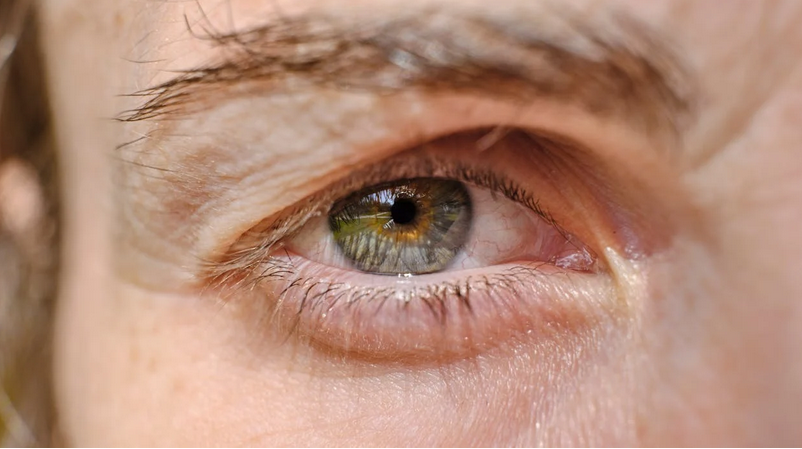
Blinking is your eye’s way of refreshing. But screen time cuts blink rates in half. Dryness, redness, and discomfort are just the beginning. Try this: during your next work session, consciously blink for 10 seconds. Feels weird, but your eyes will thank you. Keep some lubricating drops nearby if blinking isn’t cutting it. And if you wear contacts, give your lenses a break every now and then. Nothing wrong with glasses that don’t glue themselves to your corneas.
Lighting Isn’t Just About Mood
Dim lighting isn’t romantic when you’re trying to read fine print. On the flip side, glare from overhead lights can make your eyes feel like they’ve run a marathon. Use natural light when possible. Sit facing it not with it glaring behind your screen. Soft desk lamps help too. Think glow, not spotlight.
Eat For Your Eyes, Not Just Your Abs

You’ve probably heard carrots are good for vision. It’s not a myth, but they’re just one part of the puzzle. Leafy greens, eggs, oranges, and nuts all play their role. Omega-3s are your eye’s best friend. Toss in some salmon now and then. Or flaxseeds, if fish isn’t your thing. Processed junk won’t destroy your eyesight overnight, but over time, your body starts handing out consequences. And vision often takes a hit early.
Sleep: The Forgotten Repair Tool
Eyes need rest too. Like real, closed-lid, REM-cycle rest. Late nights and light leaks mess with the healing process. Make your sleep space as dark as possible. Use an eye mask if needed. And skip scrolling before bed, blue light is a sleep thief in disguise. If your mornings start with blurry vision or light sensitivity, your sleep habits might be whispering for change. Your eyes do a full-time job, often with unpaid overtime. Don’t wait for the headaches or dryness to creep in. Build in simple habits.
Blink more. Rest often. Eat smarter. Treat your eyes like they matter, because once things start fading, it’s a tougher road back. They’re the only pair you’ve got. Might as well make them last.…


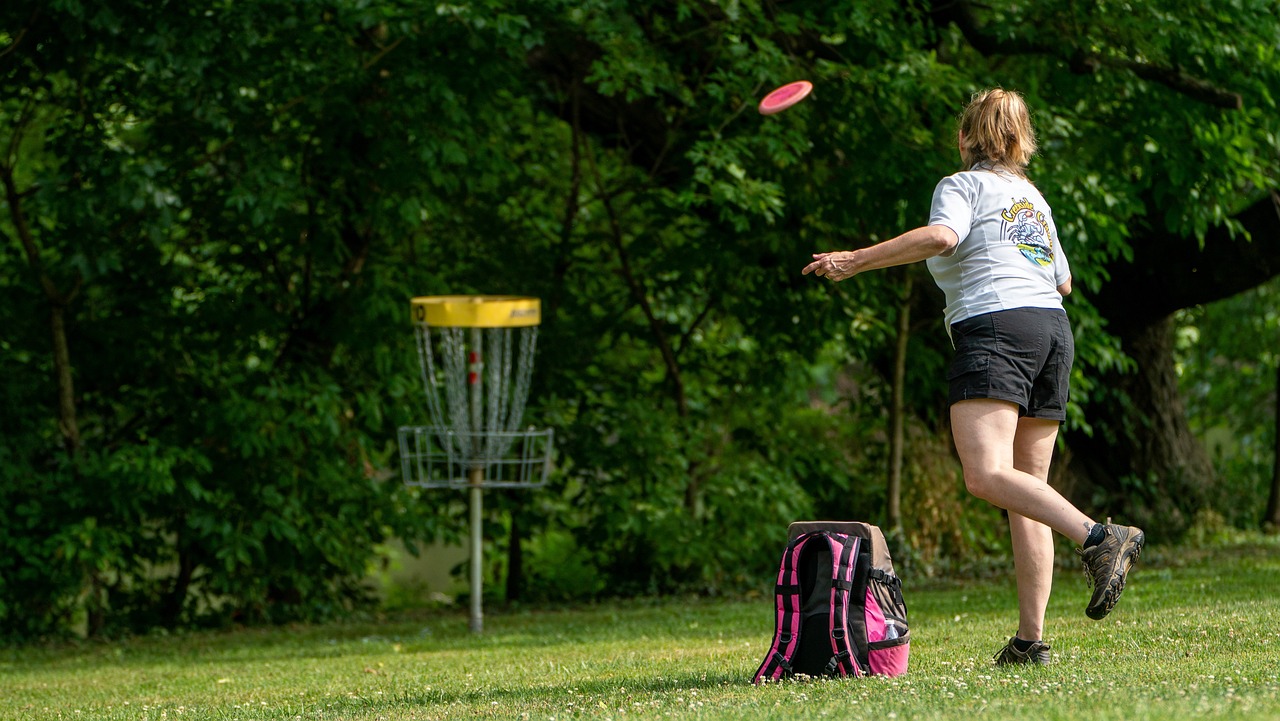

 Regularly playing disc golf can help improve your mood and give you more energy. Studies have shown that physical activity can help release endorphins, hormones that can boost your mood and give you a sense of euphoria. Exercise has also been shown to increase energy levels by improving the efficiency of your mitochondria, the cells in your body that produce energy.
 Disc golf is not only an excellent way to relieve stress, but it can also help improve your overall health. According to recent studies, playing disc golf can help reduce the risk of developing cardiovascular disease, obesity, and type 2 diabetes. In addition, disc golf can also help improve your mental well-being and cognitive function.
 Most seniors have lost some cognitive abilities by the time they reach their golden years. This could be due to a number of factors such as age, health conditions, or lifestyle choices.
 Who said you couldn’t teach old dogs new tricks? Seniors can benefit from nootropics just as much as younger individuals. In fact, nootropics have been shown to help improve learning ability and focus in both seniors and young people. Learning a new skill or improving your current abilities can be an essential step towards maintaining cognitive health!